Showing posts with label E. The Industry. Show all posts

Wednesday, 7 October 2015

Letter Of Complaint

To whom it may concern,

I am writing to you today in regards of the Digital Video Production job advert in which my attention has been drawn to. I thought it would be in the best interests of both of us that I bring to your attention that there are many elements of this job advert which do not comply with the Equality Act that was implemented in 2010, so I am writing this letter to you to raise my concerns with these issues. Some of these parts include: age discrimination , this can be seen in the 'looking for' section of the advert, furthermore, there is a also a clear example of religious discrimination in the 'religious views' section of the advert. A contract should be a piece of material you sign to agree to a job in which has to be enforced by the law if there is any breach in the contract. Due to this it concerns me that there is no sign of anything whatsoever regarding confidentiality on your advert. Continuing on,  the advert states that I need to hand my application into the front desk in Norwich or via Email, this is all well and good, other than the fact that due to no confidentiality agreement my information could quite easily be shared which is a big concern to me. I personally expect that when applying for a job role my private information to be kept secret, but with this application there is no guarantee of this.  Also, there is no sign of an exclusivity clause in the contract, meaning that if I am successful in my application  then I could quite easily just join another one of your competitors? There should always be an exclusivity clause in a contract which would not allow me to work for other companies in the same industry or share information with them which would potentially harm your company.

The Equality Act of 2010 incorporated previous equality acts of parliament into one single piece of legislation, it includes:

The Equal Pay Act 1970
Sex Discrimination Act 1975
Race Relations Act 1975
Disability Discrimination Act 1995
Employment Equality (religion of belief) Regulations 2003
Employment Equality (sex orientation) Regulations 2003
Employment Equality (age) Regulations 2006

Incorporating this information into a singular document allowed the public to find out if they have been discriminated against and also made it easier for lawyers and trade unions to find out if the individual has been exploited against for legal cases.

The problem with discrimination is the fact that there are many different ways people can face it. A key example of this is simply: direct discrimination, this  is where the employees are treated worse by their employer due to the characteristics they possess, a key example of this in your job advert is the fact that you are only allowing applicants under the age of 30, this is a prime example of: ageism, which is sadly very common in the workplace in modern society, age shouldn't mean anything and neither should other variables, the best applicant should always receive the job regardless of their age, sex, religion or any disability they may have.
On the other hand, Indirect discrimination is where the applicant applies to everyone equally, however, has an unequal effect on these that have a certain characteristic. For example: A religious person may be at an unequal level due to the fact that they are unable to participate in certain things.  Indirect discrimination is evident in your job application as you say you want someone with Christian views but this is discrimination towards people who don’t have Christian views.

The employer's liability act ensures that employers are fully responsible for the health and safety of each and everyone of their employees whilst they are working for them. This was implemented in 1969, this covers employees if they happen to fall ill or get injured in their working environment. Continuing on, the Employee rights act of 1996 is implemented when an employee begins their work for a company, this has to include any health and safety problems the employee may have so that the employer can take them into account and try to cater for them in the best way possible. This helps to protect the employee from being exploited by their employer, in relation to your job advert, this sadly isn't the case, as their is no clear, written statement, therefore breaking the employment rights act of 1996, this is evident from this quote in your advert: "It sounds like a broad role because it is". Furthermore, each and every applicant has to film a short documentary before being selected during the interview process, this means that the employee rights act is not met as I will of technically had to of 'worked' for you and so would any other applicants without actually having the job, this is a breach of the employee liability act.

Continuing on, Trade Unions are in place to ensure that workers' rights are protected and that their employers are not exploiting them and making their working life a strenuous one.  These are in turn, very helpful when it comes to an employee wanting their rights and opinions backed up in a situation where they feel exploited. A key example of this is the fact that: Trade Unions can help in an example of religious discrimination, then the trade Union will step in and ensure that the employer puts things in place so that the employee can do their job the same as any other employee. The main Trade Union in the UK is BECTU or Broadcasting Entertainment Cinematography and Theatre Union.This Trade Union is supported by the people involved in it having to pay a subscription fee annually for their protection.

There are also codes of practice that are not specially part of the law, these are put into place to protect the employee and are used in both Film and Television, employers have to be responsible for putting these policies and procedures in place for each and every individual. Referring back to your job advert, you state that: 'No means no' in regards to your film. But you only want to hire teenagers and females that have been victims. Is this as if to say that males can't be affected by this? This represents rape culture in a very wrong and naive way by showing that it is only teenagers and females who can be affected when common knowledge itself dictates that isn't the truth. This is genuinely a huge social concern as you are putting such a horrible thing such as rape on the shoulders of only two categories of people.

The rape problems on show in your advert are also surrounded by many legal issues, there are regulators in place to enforce the law on broadcasting issues. The Broadcasting Act was implemented in 1990 which made it law that there has to be a regulatory body to enforce the law, the quote: "It shall be the function of the commission to regulate in accordance with the Broadcasting Act" shows this. This relates back to your advert, due to the fact that your advert is centred around rape, you say that: All High School Children can view it. This means that you're subjecting people as young as the age of 12 to the extreme subject that is rape, this is the exact definition of inappropriate and this puts under 18's at risk, something in which OFCOM are very, very serious about.

Here is some examples of how OFCOM deal with these scenarios:

1.1 Material that might seriously impair the physical, mental or moral development of people under eighteen must not be broadcast.
Bu showing this type of footage of under age children it could seriously impair the mental and moral development of people under 18. This could paint the picture in these
1.2 In the provision of services, broadcasters must take all reasonable steps to protect people under eighteen. For television services, this is in addition to their obligations resulting from the Audiovisual Media Services Directive (in particular, Article 27, see Appendix 2)
1.3 Children must also be protected by appropriate scheduling from material that is unsuitable for them.
In the job advert it states you should use re-enactments, by doing this it’s possible that inappropriate footage may be used, this footage needs to be censored if possible otherwise it could be harming children hence them not being protected.  The reason for Ofcom to exist is due to the Communications Act 2003 which includes the regulation by which Ofcom can carry out their duties:

Ofcom's powers:
-  The power to undertake research and development work in connection with any matter in relation to which they have functions
- Power to institute and carry out criminal proceedings in England and Wales or Northern Ireland for an offence in relation to which they have functions.
By having this power it means that Ofcom can carry out and report any issues that may arise in relation to any of the functions that they have power in.


Moving on, The Obscene Publications Act of 1959 is an act in which provides protection of literature and strengthens the law, this reflects back to your job advert due to your advert featuring Pornography: In the form of re-enactments which is of a sexual nature which is breaking the obscene publications act, not to mention the graphic nature of the recreation of rape,

Another organisation that will be involved in this advert and the job following on from is is the: BBFC, this is due to the fact that they will have to certify the video that will be made to ensure that it fits the right agr category and protects people from watching content unsuited for themselves, In reality your video will quite possibly be a 15+ which leaves 3 years of your target audience unable to view it, although this could be avoided if you tuned down the sexual nature and subsequently got the viewing age to: PG

Finally, the advert states that the creator will be 'reimbursed up to £20 for the cost of goods'. This is a ludicrously low amount all things considered, this could force creators to have to break copyright laws to receive  the  job to cut costs down by downloading copyrighted music.

I hope you will take into account the points I raised here with you today and look to change your advert swiftly.


Best Regards,

Ellis Platten

Careers Handbook

Task 1:


1. I have good communication skills.

This is shown by:

1. My eagerness to work in teams.

2. The fact I presented many assemblies in High School.

3.  The fact I can lead group discussions with ease.


2. I have a good work ethic.

This shown by:

1. My work being completed on time for deadlines.

2. Being able to complete a piece of work from start to finish quickly.

3. My determination for work that I am tasked with.


3. My Time Management Skills.

This is shown by:

1. Arriving on time for lessons.

2. Never missing deadlines for tasks.

3. Leaving myself enough time every morning to arrive to college 10 minutes early to ensure that I'm fully settled in.


4. Eagerness to learn new skills.

This is shown by:

1. Taking on different subjects with a wide variety.

2. Listening intensely when learning the ropes.

3.  Not being afraid to ask for help when learning.


5. Leadership Qualities.

This is shown by:

1. Wanting to lead group discussions.

2. Offering help to anyone who is off track.

3.  Taking on other peoples ideas and looking to implement them and give them advice back on them.


TASK 2:

My name is - Ellis Platten, I am currently at college studying: BTEC Media, Television production and AS Sociology,  I am looking to obtain 280 UCAS points which allow myself to head off to University and to do a degree in Sports Broadcasting.


TASK 3:

JOBS: 

Film Director:

The Film Director  is essentially responsible for overseeing the full practical and creative cycle of production, it is their aim to have their ideas heard by the whole movie crew, this will directly affect how well the end product turns out, furthermore, they are also in charge of the budgeting and designing side of the movie project, they have to work very closely to the creative and production teams to ensure that everyone is on the same page .

The 3 main task for Directors are usually:

- Programming and Budgeting
- Working with writers and script developers
- help to publicise the production by taking part in interviews and public disucssions.


A Directors wage is usually around the £1,300 for a week, however, this can vary greatly depending on the size of the project at hand.

Source The Job Roles Booklet


Marketing Assistant:

Marketing Assistants are involved in the development of market campaigns to promote either and or an idea, their roles include: Planning and preparing advertisements, public relations, the organisations of events and product development.

The tasks of a marketing assistant involve:

 Tasks can involve:
liaising and networking with a range of stakeholders including customers, colleagues, suppliers and partner organisations;
communicating with target audiences and managing customer relationships
managing the production of marketing materials, including leaflets, posters, flyers, newsletters, e-newsletters and DVDs;
Starting salaries for graduate trainees in marketing range from £18,000 to £25,500. The overall average salary is £21,461, with charities and financial services providing the higher wages.


Source: http://www.prospects.ac.uk/marketing_executive_job_description.htm


Runner:


The job roles of the runner involve the person in the role to be involved in a junior role in the industry, they generally have to assist the others who work on the production side of the company completing basic tasks to ensure they are comfortable, these can involve:

- Making refreshments for the crew of production
- Transporting equipment to different scenes
- Assuring that the area for filming is clear and everything is in place ready.
The role aids the individual with knowledge and experience of the media production process, developing networking communications. It also gives you a way in, into the media industry and a chance to work your way up the career ladder.

There aren't really many 'skills' required to take par in this role, the main ones being that you'r flexible and organised with your time, and to have good communicational skills and a fantastic work ethic.

Working hours tend to be standard office hours, although it depends on the size of production and sometimes editing studios can be booked out all night if you have to meet a deadline. With salary you tend to start on a low-level wage and work your way up, starting salaries on a TV programme or post-production can range from £18,000 to £25,000. At a senior level wage can range from £37,000 to £70,000, your skill level is also included in this. The responsibilities can include being given a brief and an outline of the footage/shot list/ script and begin to plan way of editing to create the finished product the director is looking for.

Source: Job roles Booklet


TASK 4:


National Press: 

Newspapers showcase jobs available people across the country in many different fields, whether this be in the form of newspapers dedicated to the news or just papers solely focused on Job adverts.

Trade Press:


 A specific field newspaper, dedicated to showcasing jobs in only one field, whether this be in the media industry 

Internet: 

There are many search engines which allow people to search for and find jobs, there are also any different websites which allow this, for example: Indeed which allows people to search for jobs within a certain radius and an exact category.

Trade Fairs: 

Trade fairs are a great way of recruiting new staff members. people can meet and talk to employers and find out more in-depth information about the role.

Word of mouth:

Hearing about job opportunities through word of mouth via friends and family.

Personal contacts and networking:

Looking for a job through your own accord and developing relationships with potential future employers.


Internal Promotion:

Achieving a higher role at your current employers through hard work and commitment.


TASK 5:

Here is my online in the form of my YouTube channel - AwayDays: 


TASK 6:


Portfolio/E-portfolio:


A collection of documents and tasks which showcase something in which has been done by a person to showcase everything that is good about them.

Showreel:


A short, promotional film which showcases a persons strong points a in a fast paced video to show potential employers.

Personal Website:

A personal website in which showcases everything in one place for people to come and view, whether they be: Customers or Potential employers, it's easy to access and in one, easy location.


TASK 7:


Interviewing skills:

Do's - Maintain eye contact,  always show that you're interested by ensuring you;re listening at all times,  ensure that you keep all language to a formal manner and avoid the use of explicit words.

Don'ts -  Always avoid rudeness and the use of explicit language, ensure that the clothes that are worn are suitable for a job interview.           

Presentation Skills:

Do's -  Ensure that you project your voice and introduce yourself formally. Maintain eye contact. 

Don'ts -  Make sure to greet everyone in the meeting, avoid rudeness and swearing.


Self presentation:

Linguistic codes -  Formal register is appropriate and a projected voice would be useful when communicating. Polite greetings and welcomes are always useful.

Dress codes -  Do not turn up to an interview in baggy informal attire, if you do so then you will not be presenting yourself in the best light and making it look as though you're not taking the job role seriously.


Interpersonal skills:  Always have politeness and manners at the top of your list and ensure that you allow other people to speak and don't speak over them.


References:  Always be sure to give relevant references to the job you're applying for which will ultimately help you to get the job and not hinder your application in any way shape or form.


TASK 8:


Training on the job and continuing professional development:

Learning the job through hands on experience which ultimately makes the person doing the job better at it in the long run, very similar to an apprenticeship.

Self - Training:

Teaching yourself a job to meet deadlines set by yourself. Which once again benefits your skills in the long run.


Sources of information:

Trade Unions - a combination of workers who set out to work together to instigate change and help benefit them as a group in the long run together.

Sector skills councils:  led by employers to benefit employees to develop and maintain their apprentice standards.

Career services:

Providing advice and information to employees on where to go to progress their careers and what directions to go in to find a job that they want to do, and to benefit people already in a job to ensure it's enjoyable for them.


TASK 9:

Opportunities for Functional skills:

Creative Media:

 English - when carrying out presentations in class I have needed to use proper communication skills to ensure that what I am doing is seen and heard in the light it was intended to be. I had to project my voice also so that what I was saying could be heard by every person in the room.

Maths - I've used maths in many differing ways throughout this years media course, the main way being when ensuring that time deadlines were met, this was done by producing storyboards and planning every single shot and how long it would take, this was especially useful during our 'Depict' 90 second short as to tell the story properly we needed to make use of most of the time to tell the story, but if we went over then our entry would be ineligible. We also used Maths when budgeting for our pieces to make sure we had the right props.

ICT - We had to use ICT in Media this year basically every single lesson, our blogs are created through ICT, so are our videos and finished shorts as we have to edit them on software which is new to us, so ensuring that our basic ICT skills were pushed forward this year was integral.

Thursday, 24 September 2015

Ownership and Funding

Ownership concepts:

Public Service Broadcasting:

Public service broadcasting refers to TV programmes in which are broadcast for the public to benefit from and view, rather than setting out to be ran purely for profit. These general consist of factual programmes and religious programmes however, they can also feature various shows for entertainment aswell.
An example of a Public Service Broadcasting station in the UK would be the BBC as all their shows are not made for profit and any adverts ran in between shows are strictly only to show what's on their channel and no profit based advertisements.


Source - http://ask.ofcom.org.uk/help/television/what_is_psb


Commercial Broadcasting:

Commercial broadcasting refers to channels in which run to make a profit as their sole aim, whether this be through the use of advertisements in their shows, whether this be through product placement, or full on advert breaks during the middle of their shows and in the gaps between one show ending and the next one beginning. They also obtain money through subscription based packages and pay per views so that the viewer can obtain more than they are usually able to.
An example of commercial broadcasting in the UK would be Sky and the extra channels they have to access and the ads that run in-between the shows to make a profit from their viewers.
Image result for Sky 1
Source - http://www.acma.gov.au/Industry/Broadcast/Television/List-of-TV-broadcasters/primary-commercial-television-broadcasting-services-television-acma


Corporate Ownership:

Corporate ownership refers to when a company is owned by a number of owners who turn a business into a corporation, in which is a distinct legal entity. The business then gets a name and takes on the rights and responsibilities that private individuals enjoy. A corporate ownership allows a business to survive even if the owner/owners die, this is due to the fact that the structure of them allows other people to take over and keep the company running.
An example of a Corporate owned business in the media would be: The Walt Disney company as they own a lot of other pieces of media aswell as their own entities and even though the creator and founder has died, the company still lives on.


Source - http://www.investopedia.com/terms/c/corporation.asp

Private ownership:
Private ownership refers to a property or entity being owned by a private individual or organization rather than the government or public body, this private structure. An example of someone in the media who uses private ownership would be: Megan Ellison as she privately owns her own productions work and benefits solely from it.


Source - http://www.investorwords.com/10703/private_ownership.html

Global companies:

Global companies are companies in which have stations all across the world, whether this to be for a profit or just to share news to different sectors of the world.  An example of this would be: The BBC as it has stations worldwide to not only share the news to Brits whilst they are abroad but to also showcase news which is specific to different countries.
Image result for BBC

Source - http://www.ask.com/world-view/definition-global-company-d1ddb451d2832bb8


Vertical integration:

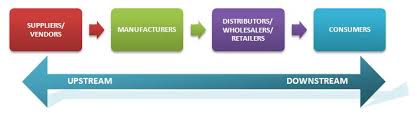
Vertical integration is the merger of a company at different stages of its production and or it's distribution in the same industry
When a company acquires an input supplier this is called backward integration. On the other hand, when it acquires another companies distribution chain this is then called forward integration.

An example of Vertical integration in Television is through Sky television, as it has its sectors staggered throughout different channels and different sectors within these channels, For example, they have channels in the sports sector but also in the movie and news sectors aswell so they are on a large, broad basis.
Image result for vertical integration

Source - http://www.businessdictionary.com/definition/vertical-integration.html


Horizontal Integration:

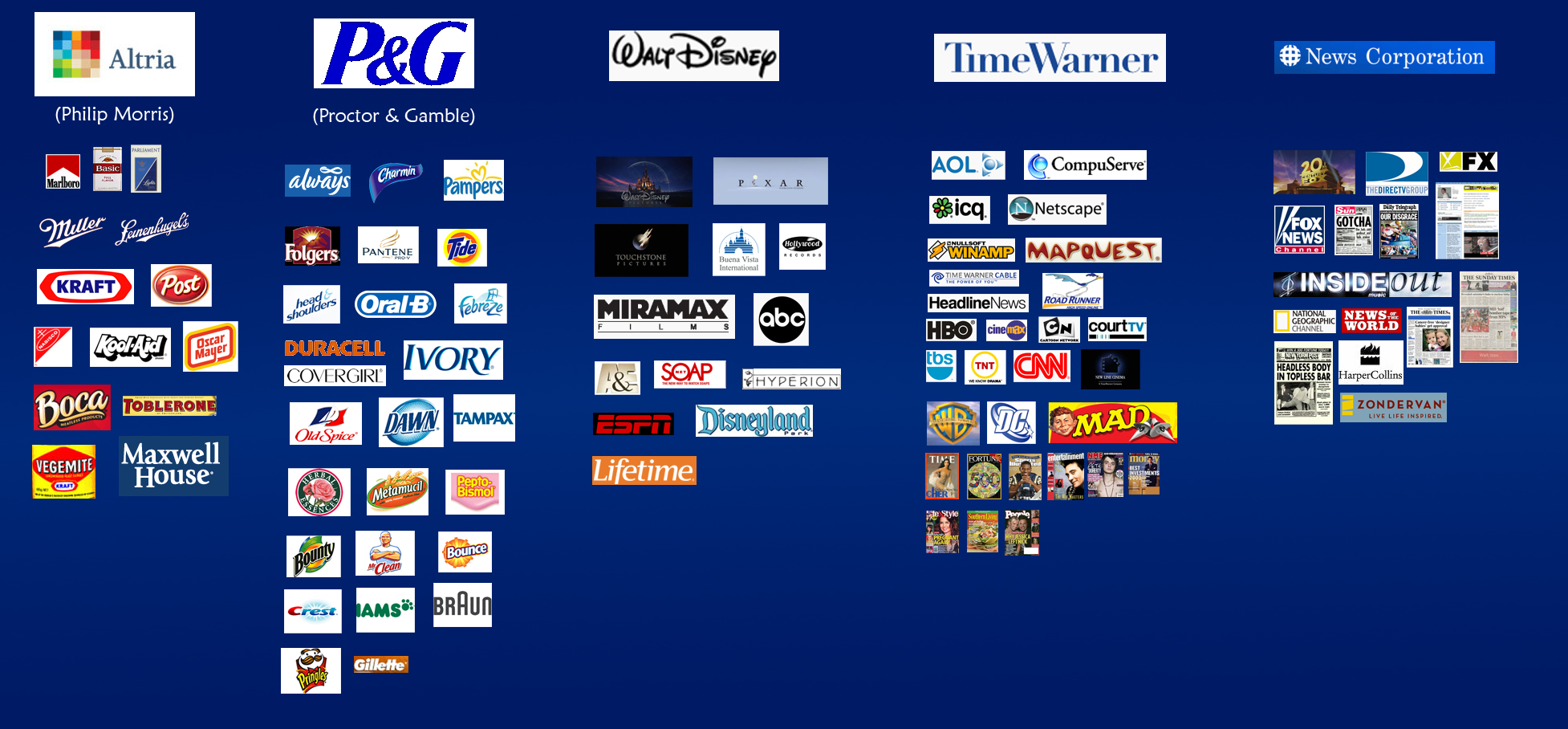
Horizontal integration or Monopolization refers to when someone or a company owns more than one or more channels in a sector or over more than one or two mediums for example: Owning a newspaper and a Television channel, due to owning more than or more mediums in media, a prime example of this would be: Rupert Murdoch who owns many different news platforms in the Brittish media.

Source - http://www.businessdictionary.com/definition/horizontal-integration.html


Funding types:

The licence fee:

A licence fee is an annual fee in which people have to pay to access public service broadcasting, this allows them to view at their own will with no troubles after paying their annual fee, if this is not paid then the person can be fined as it is against the law.


Source - http://www.investopedia.com/terms/l/licensing-fee.asp


Subscription:

A subscription is something in which an individual pays either annually or monthly, to access some forms of media, either through a streaming service or through receiving physical copies to use at their own will until they send it back. A p;rime example of this would be through sites such as: Netflix in which they can view as much content as they wish for the monthly fee.


Source - http://www.thefreedictionary.com/subscription


One off payment to own a product:

A one off payment to own a product is when a person purchases something to use for as much as they want, for as long as they want for a set fee.
There are many ways in which this can happen, and it's the most common way of obtaining an item, this usually happens in a store, however, it can happen when purchasing something second hand.


Source - http://www.investorwords.com/10466/one_off.html


Pay Per View:

A pay per view is a show/movie/event in which a person pays every time they watch it, this is generally the case with either movies or sporting events in which has a lot of importance.
An example of this would be: Wrestlemania, an event which happens once a year and millions of people globally pay to view it for a one off


Source - http://www.businessdictionary.com/definition/pay-per-view-PPV-television.html


Sponsorship:

A sponsorship allows a piece of media to be made and paid for with no fee or a relatively low fee due to a third party sponsoring the piece they will gain publicity in return so it's a handy way for both parties to achieve what they ultimately want to achieve, this allows people with low budget to finalise their work in a way in which they want to.
An example of this would be before Emmerdale a candle company sponsors them and therefore gets around 2 minutes of advertising every episode in return for funding the programme.
Image result for television sponsorship

Source - http://www.businessdictionary.com/definition/sponsor.html


Advertising:

Advertising is something in which people or companies can pay for to get their name out to the general public, these are a mainstay in modern media, featuring on Radio, Television and Film, the advertising slot has a fee, this depends on the date they want, the time and the length of the advert, this is a way of earning filmmakers and Television broadcasters money and helping a company to get their way out to the public in a more effective way and in your face way than Sponsorship.
An example of this would be adverts that run throughout Television breaks
Image result for TV advert

Source - http://economictimes.indiatimes.com/definition/advertising


Product Placement:

Product placement is when a company or brand pays to have their product featured in a film or TV Show, this is done to get the brand out there in a way in which it is visible in a real life scenario, this works subconsciously so the viewer craves/wants the product on screen, this can also be used to help fund the piece of media as the company pays money to have their item on screen which in turn helps to fund the product so this way helps both parties to achieve what they intend to greatly.
An example of this would be: Coca - Cola being used as the only drink in a film


Source - http://whatis.techtarget.com/definition/product-placement


Private Capital:

Private capital is something in which a person owns singularly with the intention of having its price rise or to make profit from it, it may be one or two friends or family with them to make the investment, but ultimately the aim is to make money and benefit from this, in media this may be owning a television company or a set of companies in which the person is looking to make a sum of money from.
Image result for private capital

Source - http://www.investopedia.com/terms/p/privateequity.asp


Crowd funding:

Crowd funding is a fast growing way in which new people and companies are able to realise their dreams and create what they want to create thanks to the general public, they use these to fund money as they have no other way to make money, the public can donate anything from £10 all the way to £10,000 if they want to help the idea further and make someone's idea a genuine reality.

An example of crowdfunding would be: The website Kickstarter, in which people upload their concepts and ideas.


Source - http://www.forbes.com/forbes/welcome/

Development Funds:

A development fund is the process of growing a product and developing it further, the funds are made available to people via a manufacturer or brand these help their affiliates to create what they want. This happens through people putting money into something and receiving publicity in return.

An example of this would be: A company owner funding a whole movie so their product can be a main stay of the feature.

Source - http://www.marketing-playbook.com/glossary/index.php/term/%26%23160%3B,Marketing+Development+Fund.xhtml


Thursday, 9 July 2015

Understand developing technologies in the television and film industries

Consumer products: Consumer products are products in which people buy to aid and enhance their everyday lives, these can range from anything like Camera's all the way to PC's,. These are useful for people just beginning to enter the realms of media and people who are looking to simply have recreational use in the world of media. Through means of editing software to edit their clips into one larger final piece of media.
Consumer products have a lot of pros, for example: The fact that anyone can purchase them and get into using them instantly, they are relatively easy to use and develop skills for so once again anyone can use and develop their skills with the more basic, consumer based products.
However, they also have their negatives, they have their limitations behind advance, professional gear, in terms of quality and just how far you can push the piece of equipment you are using.
Furthermore, in the case of consumer products their abilities often become dated after a short amount of time and you will end up having to purchase another item to keep up to date.


Image result for consumer products


Types of Television:
There are many different ways in which we receive Television signals, through different means of Television and different types as well. The main types of Television signal are: Satellite and Cable, Satellite Television is received through  a Satellite in the sky which sends and receives signals, this is the cheaper option of the two and the easiest to set up as no cables need to be placed in other than one aerial. However, this can be subject to issues, especially with Weather, as signal can be lost quite frequently due to weather difficulties.
Then there is cable, the more expensive option, however, it also opens up the viewer to more expansive viewing options and less interference from weather, it also is harder to set-up, often needing people to come in and install it before you can use it for your own leisure.

http://www.tomsguide.com/us/tv-buying-guide,review-1943.html


Analogue Television: Analogue Television is the original form of Television, it uses analogue signals to transmit video and audio through into an analogue Television broadcast, it is a dated type of Television in modern society with many, if not most people switching over to Digital.


 Digital Television:  Digital Television is produced through the transmission of Audio and Video by digitally processed, mulitplex signals, it can support much higher quality than its predecessor which is why it is used by much more people in the modern era due to its superior sound and audio quality.


Image result for digital television


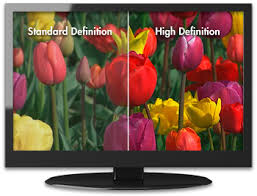
High Definition: High definition, just like digital Television, really is a triumph of modern technology, through the production of greater quality camera's and higher quality Television's it has enabled Television producers to produce high quality picture which is of a much higher quality than standard definition, this engages the viewer much more and helps for better viewing altogether. It also produces images on a much wider scale which allows for greater detail and picture quality.

Image result for High definition TV


3D:  3D is also a modern invention, it allows images to appear out of the screen and close to the viewer, further engrossing their interest in the picture on screen and involving them in a way they wouldn't of been involved before, it allows them to almost touch the action on screen, whether that be their favourite sports stars or in a movie action scene when it's about to reach its climax it's almost as if the viewer is there and it is a great way to keep the viewer interested and engaged.
Image result for 3D television


Internet: The internet is a great place for people wanting to be involved in media, This is due to services such as: YouTube in which people can produce their own content and view content seen and accessed by people all over the world, allowing to share thoughts and opinions on the pieces produced which in an ideal world allows people to change their work through positive and productive criticism, however, here is where one of the problems with the internet can be located, through people 'trolling' and posting hateful comments on work that people have worked hard on. Furthermore, people use the internet to download and stream movies for free instead of helping out the creators by either buying a physical copy or paying to see the film at a cinema. Therefore denting the profits of the creator and therefore the film industry.


Image result for Internet


Interactive media: This is a type of media in which the viewer can interact with and manipulate what they are watching, this is used more so with online movies in which the viewer can choose certain options which takes the story down a certain path and lead them to certain stages in which they have to make decisions, Video games are the main choice in terms of interactive media, this has lead movie makers to be cautious when attempting to replicate the same thing in terms of Film media, however some attempts have been relatively successful.

Image result for Interactive media


Source - http://www.investopedia.com/terms/i/interactive-media.asp

Pay Per View: Pay per view is a piece of media in which the viewer has to pay an extra fee to watch the event, on top of their annual Television fee. This is mostly used for big sporting events that have had a long build up, with the events still being available for purchase up to weeks after it had finished just in case the viewer still wanted to see their favourite event, even if they had missed it. PPV's are a lucrative business and once something starts offering them they often start offering more as their biggest fans will still invest and get involved in the event whenever it is available to them.


On-Demand Viewing: 'On demand' viewing is how due to modern, updated pieces of media and technology allow us to watch back our favourite shows even if we missed them, whether that be through the internet or downloading the show directly from the Television itself, meaning that it is now virtually impossible to fall behind on your favourite series.


Image result for 4 on demand


Streaming content: sites such as Netflix, have now made it possible for people to pay a monthly fee to view an unlimited amount of set content at their will, this can be through older films and television shows, or content that has been made specially just for that certain  streaming site, These can be streamed either directly through a higher range Television, a PC or a video games console.

Image result for Netflix

Source - http://www.computerhope.com/jargon/s/streamin.htm

Job Roles in the industry.

Attatched here is the Prezi I have created to showcase Job Roles in Television and Film industries